All dishes / ラテンアメリカ
Chicharrón Period COrigin theory BVerified
Some fields (dish name, region and gates) are shown from the Japanese-edition data.
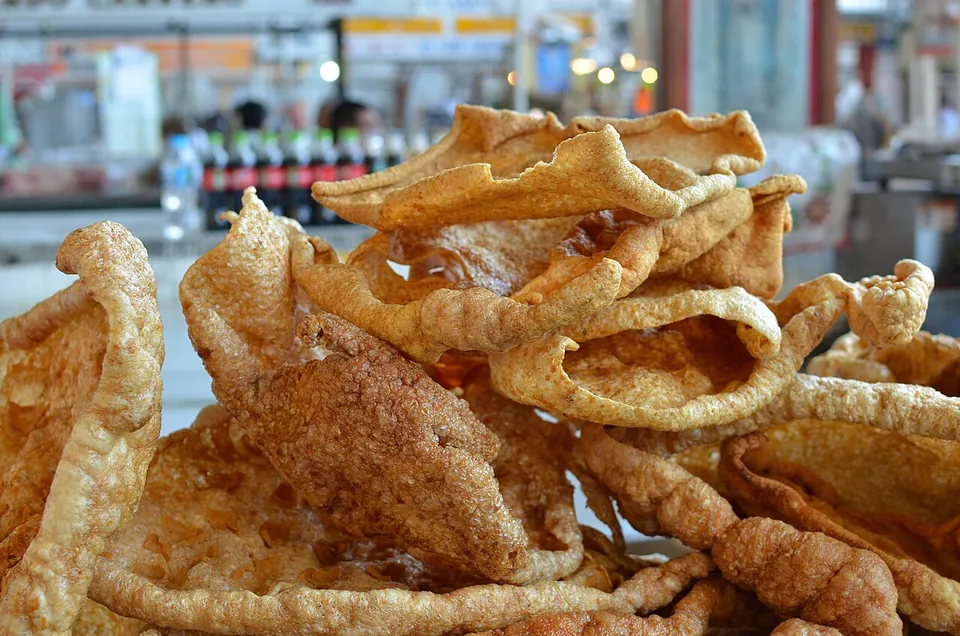
Chicharrón, the fried pork so familiar on Mexican street corners. It is sometimes described as a dish rooted in indigenous times, but its star, the pig, was livestock that crossed the ocean with the Spanish conquest, and this dish was born in the colonial era.
Verification highlight popular claim → verdict → evidence
Popular claim: some popular media (e.g. El Universal Querétaro) describe chicharrón as having pre-Hispanic (prehispánico) roots. Verdict: refuted -- pigs reached the New World only through the Columbian Exchange and arrived in Mexico during the Spanish conquest (1519-1521), so a pork-based chicharrón could not have existed earlier; the "prehispánico" label likely conflates it with beef chicharrón (also Spanish-introduced) or with indigenous uses of animal fat. Key sources: Diccionario de Autoridades (1729) / Covarrubias (1611) on the Spanish origin of the word; Columbian Exchange - World History Encyclopedia.
The three gates
- Ingredient-supply gate
- Pigs reached the New World through the Columbian Exchange (the physical floor for this dish); they were brought to Mexico during the Spanish conquest (1519-1521). Pork is the limiting ingredient.
- Cooking-technique gate
- Pork skin or belly deep-fried and puffed in its own rendered fat (skin-centered); the frying technique traces to Spain.
- Venue gate
- A colonial-era market and street snack, and a filling for tacos and salsa dishes.
Overview
When and where it came to be
Chicharrón is pork skin or belly, fried slowly and puffed up in the pig's own rendered fat. In central and southern Mexico, the skin is fried until it swells into a large, airy crackling (chicharrón de cerdo, or prensado); in the north, a meatier version made mostly from pork belly is favored.
The frying technique itself comes from Andalusia in southern Spain, where pork fat was rendered and skin and belly fried. The Spanish brought that method across, and, meeting local tastes, it branched into the puffed-skin style of the center and south and the meatier northern style. In the colonial period, this fried pork began to be sold in markets and on the street, and it settled into the Mexican table.
Today it is a national snack, sold in markets (tianguis) and on the street as tacos de chicharrón, as chicharrón con salsa verde under a green sauce, and as a filling for gorditas.
How we know
Mexican chicharrón is now and then given a backstory that reaches into pre-Hispanic times: a dish with old, indigenous roots. Even the local press has carried pieces claiming 'pre-Hispanic roots' for chicharrón.
But its star, the pig, was not on Mexican land until the Spanish arrived. Pigs crossed the Atlantic only with the exchange of livestock and crops between the Old World and the New, and they reached Mexico with the conquest of Cortés (1519–1521). Before the pig arrived, a dish of pork skin and belly fried in their own fat could not have existed on this soil. Part of why it gets called 'pre-Hispanic' seems to lie in a confusion with the beef chicharrón that the Spanish likewise introduced, or with the animal-fat cookery indigenous people had long practiced.
The word, too, leads back to Spain. 'Chicharrón' appears in the Spanish Diccionario de Autoridades (1729) as the dry, well-browned residue left after animal fat is fried and pressed for lard — pork residue above all. Its root, 'chicha,' is older still, going back to Covarrubias's Tesoro de la lengua castellana (1611). The word is held to imitate the sizzle of frying, and, like the cooking, it is rooted in Spain.
On Mexican soil the dish surfaces in an anonymous eighteenth-century cookery manuscript from New Spain, the Recetario novohispano, which lists pork chicharrón (cortezas de puerco) among the ingredients of its dishes; by then, at the latest, chicharrón was in the kitchens there. In the next century, the cookbook Nuevo y sencillo arte de cocina (1836) sets down the regional names for it — esponjado, de espuma, duro — and the branching of styles comes into print. No document has surfaced that records the year in which the puffed-skin style particular to Mexico settled. What is clear is that this dish can only come after the conquest, when pigs crossed the ocean to Mexico.
For the earlier history and the wider family, see chicharrón (/dishes/183).
The full set of origin theories and the detailed verification log — traceable all the way to their sources — are available on the Japanese edition.
See the full origin theories and verification log (Japanese) →
Related dishes
Lineage Family, predecessor, variants
Shares the key ingredient
- TonkatsuJapanC
- Tacos al pastorMexicoB
- FeijoadaBrazilB
- Barbecue ribsSouthern United StatesC
- CurrywurstBerlin (Germany)B
- Twice-cooked reheated pork (Huiguorou precursor)Sichuan, ChinaC
- BaoziChinaC
- Chop sueyUSA (Cantonese diaspora) / Guangdong (China)C
- Cochinita pibilYucatán (Mexico)C
- LechonCebu (Philippines)C
- SaloUkraineC
- Bak kut tehSingaporeC
- GolonkaPolandC
- GyrosGreeceB
- EisbeinBerlin (Germany)C
- SchweinshaxeBavaria (Germany)C
- Japanese-style twice-cooked porkJapanB
- ManchamantelesPuebla (Mexico)C
- PernilPuerto RicoC
- ChoripánRío de la Plata (Argentina)C
- Char siuGuangdong (China)C