All dishes / サブサハラ・アフリカ
Nigerian pepper soup Period BOrigin theory CVerified
Some fields (dish name, region and gates) are shown from the Japanese-edition data.
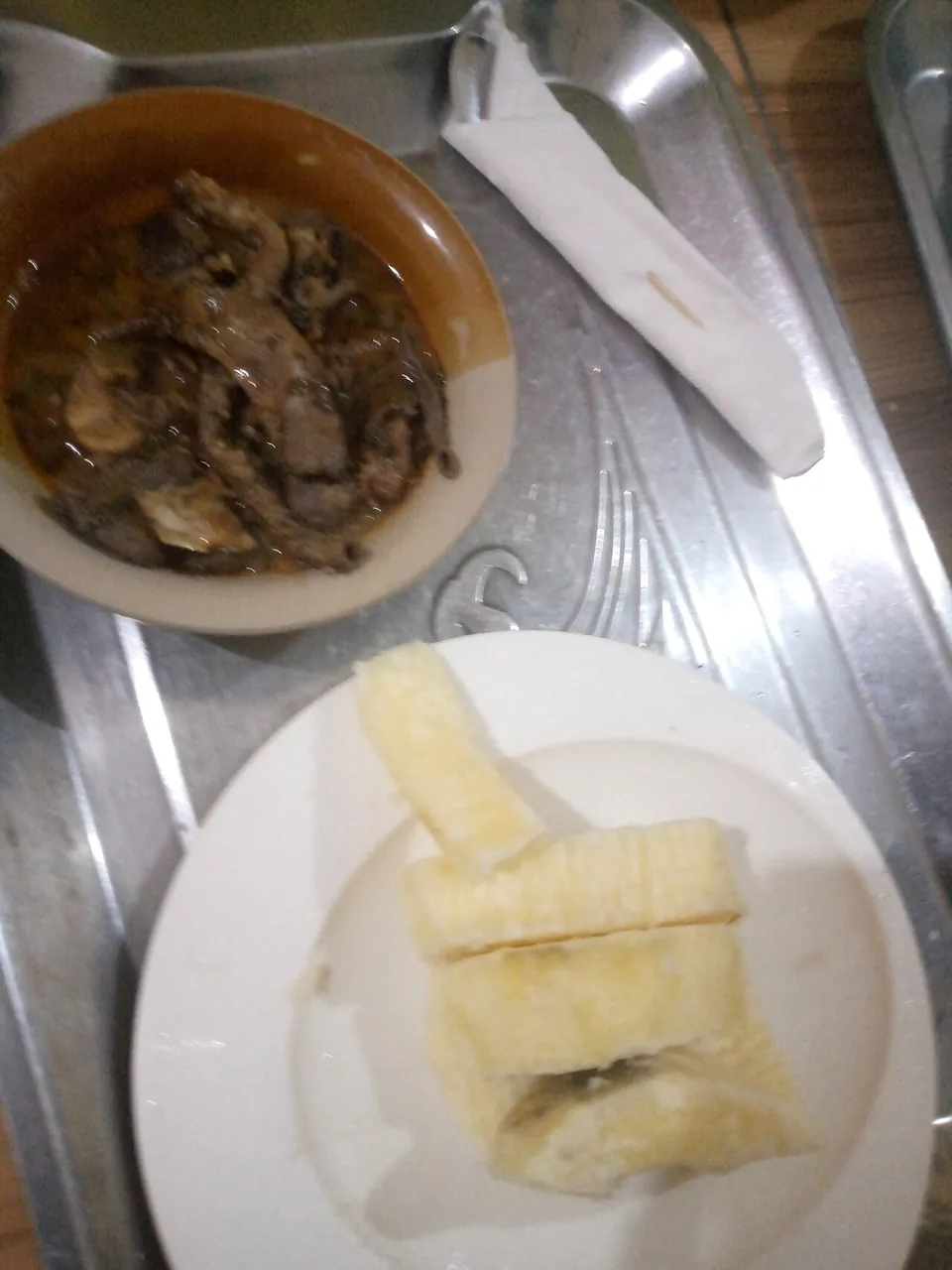
A light, nourishing Nigerian broth of meat or fish simmered with spices. It is easy to call this pepper-hot dish timeless, but the source of its heat is a latecomer that crossed the Atlantic, while the broth itself carries an older memory of scent.
Verification highlight popular claim → verdict → evidence
Popular claim: Nigerian pepper soup, spiced with chili peppers as it is today, is assumed to be an unchanged ancient dish. Verdict: refuted for the current form -- the chili pepper that gives the soup its heat is a New World crop that only reached West Africa from the 16th century onward via Portuguese trade; before that, the same soup genre relied on native spices such as grains of paradise (Aframomum melegueta). The dish's genre is old, but its now-standard chili-based version cannot predate the chili's arrival. Key source: "Pepper soup," International Journal of Gastronomy and Food Science (2024).
The three gates
- Ingredient-supply gate
- The chili peppers that give this soup its heat are a New World crop that reached West Africa from the 16th century onward; before that, native spices such as grains of paradise were used instead.
- Cooking-technique gate
- A light soup made by simmering meat or fish with spices.
- Venue gate
- From Nigerian home cooking to a widely eaten light, restorative meal.
Overview
Pepper soup is a light, savory West African broth of meat or fish briefly simmered with spices. It is widely eaten as a home dish among the Igbo, Yoruba, and Niger Delta peoples of Nigeria, served as nourishment for women after childbirth and as a warming light meal.
What makes today's pepper soup hot is its lead ingredient, the chili. This pungent chili is a New World plant; it was not on West Africa's spice shelf to begin with. From the sixteenth century onward Portuguese trade carried it into sub-Saharan Africa (the arrival falls around 1550, broadly the sixteenth century). Once the chili crossed the sea and reached these kitchens, pepper soup took on its present form as a chili-hot broth.
The broth itself, though, is older than the chili. Before the chili joined it, the base of this soup's flavor was a set of spices long rooted in West Africa. Grains of paradise (melegueta pepper, Aframomum melegueta), grains of Selim (Xylopia aethiopica), calabash nutmeg, and uziza: these are native local spices, on hand from early on to build a dish's heat and aroma. Grains of paradise in particular gave the fourteenth- and fifteenth-century West African coast its name, the Grain Coast, and were prized in Europe as a substitute for black pepper. Pepper soup is thus a two-layered dish: a soup of native spices as its base, wearing its present heat from the chili that came later.
How we know
Pepper soup carries a common belief that it has continued unchanged since ancient times, hot in exactly this form. Because its name and its taste are inseparable from heat, the heat too is easily taken for something old.
But the chili at the axis of that heat appears in West Africa only from the sixteenth century onward; before then the land had no such chili. A recent study of the culture and cuisine of pepper soup (International Journal of Gastronomy and Food Science, 2024) describes the dish as a pre-colonial nourishing broth built from native West African spices, into which the New World chili was later folded to settle its present form. A chili-hot pepper soup can only come after that arrival.
The soup as a genre, however, is old. Before the chili came, the heat and aroma were carried by native spices such as grains of paradise and grains of Selim, which gave the West African coast the name Grain Coast and were prized in European trade by the fifteenth century (grains of paradise were counted among Fernão Gomes's monopoly goods in 1469). Pepper soup is neither a dish unchanged since antiquity nor one born all at once with the chili. An old soup built by the land's own spices, with New World heat laid over it: that layering is the true making of this dish.
The full set of origin theories and the detailed verification log — traceable all the way to their sources — are available on the Japanese edition.
See the full origin theories and verification log (Japanese) →
Related dishes
Lineage Family, predecessor, variants
Shares the key ingredient
- KimchiSouth KoreaC
- Mapo tofuSichuan (China)C
- Doro watEthiopian HighlandsB
- Indigenous molli (chilmolli, pre-Old-World-spice chili sauce proto-layer)MexicoC
- RendangMinangkabau, West Sumatra (Indonesia)C
- Tom yum goongThailandC
- SambalMalay Archipelago (Indonesia)C
- TteokbokkiKorean PeninsulaC
- Tandoori chickenNorth India (Punjab / Delhi)C
- LaksaPenang (Straits Settlements)C
- MuhammaraAleppo, SyriaC
- VindalooGoa (India)C
- Piri piri chickenMozambique (Portuguese colonial sphere)C
- HarissaTunisiaC
- BibimbapSouth KoreaC
- Twice-cooked pork (huiguorou)Sichuan (China)C
- LarbLaos / Isan (Thailand)C
- Chili con carneTexas, USA (San Antonio)C
- Dan dan noodlesChengdu, Sichuan (China)C
- General Tso's chickenNew York (USA)C
- Pol sambolSri LankaB
- Chapli kebabPeshawar (Pakistan)C
- ShiroEthiopian HighlandsB
- Hiroshima soupless dandan noodlesHiroshima (Japan)B
- Kung pao chickenSichuan (China)C
- Fuqi feipianSichuan (China)D
- Nasi lemakMalaysiaC
- LampraisSri LankaC
- MerguezMoroccoB