All dishes / 中央アジア
Kurt (qurut) Period BOrigin theory CVerified
Some fields (dish name, region and gates) are shown from the Japanese-edition data.
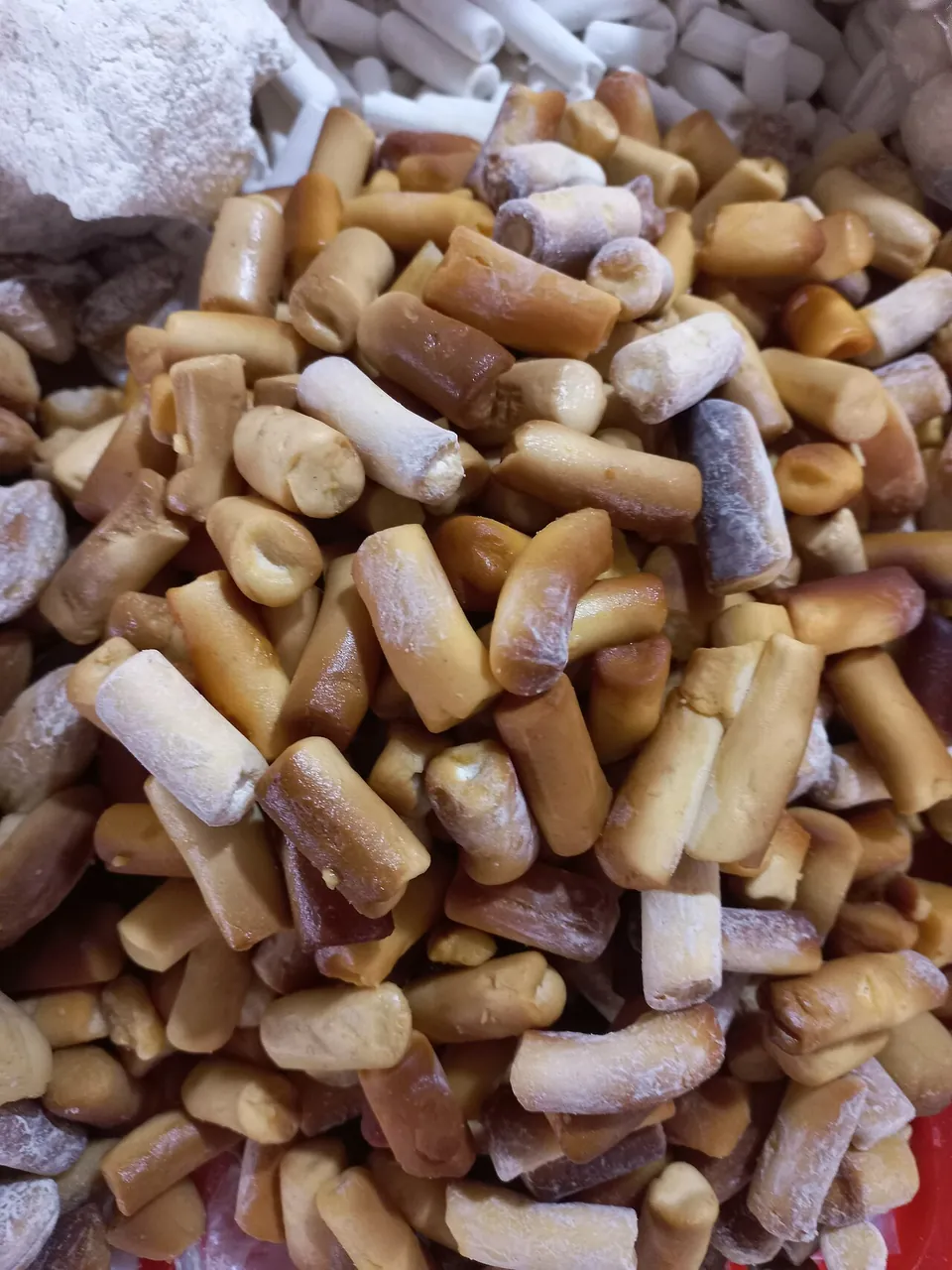
Sheep's milk soured, drained, and sun-dried until it hardens like stone. Kurut is a keeping food that took shape on the Central Asian steppe not through any single inventor, but gradually, out of a life lived alongside milk.
Verification highlight popular claim → verdict → evidence
Popular stories crediting a single people or nation — the Scythians, or the founding of Kazakh cuisine — don't hold up: the word and the technique are shared continuously across the whole Turkic-, Mongolian-, and Persian-speaking steppe. The earliest written description of the dried curd itself is William of Rubruck's account of his 1253-55 journey through the Mongol Empire; a separate popular story crediting Genghis Khan with inventing it as army rations is contradicted by the same sources, since dried milk curd already existed centuries earlier.
The three gates
- Ingredient-supply gate
- Sheep's and mare's milk were native to nomadic life on the Central Asian steppe; milk and salt were both locally available, so this gate opens far back in time.
- Cooking-technique gate
- A preservation technique: fermenting milk, straining off the whey, then sun-drying.
- Venue gate
- Nomadic households, as a portable preserved food.
Overview
Kurut (also written qurut or qurt) is a dried curd made by souring sheep's or mare's milk, draining off the whey, and hardening it in the sun. The name goes back to a Turkic word meaning "dried," and true to that name it has long served as a portable food able to last through a long winter. The spelling shifts by region and language between kurut and qurut, but all of them point to the same hard little lump of dried milk.
The ingredients were close at hand for the herders who lived on the Central Asian grasslands. Sheep and mares were milked daily, and the salt that sharpens the flavor came from the land itself. The milk is set with acid, the excess water is pressed out, and the curd is left to the dry air and the sun until it hardens like stone. This chain of preservation turns fresh milk into a lump that keeps through a whole winter. On a steppe with no means of refrigeration, it was a way of holding onto nourishment for the long term.
Once made, kurut was prepared at home and carried in a bag. In a life of moving across the grasslands on horseback, a keeping food that could be eaten as-is once soaked in water, or turned into a drink, was inseparable from the nomadic way of living itself.
How we know
Kurut has no origin story of who made it, or when. It has no single inventor and no single founding tale, because it is a keeping food that slowly took its form alongside the life of handling milk across the Eurasian steppe.
That much is written into the spread of its name. Kurut goes back to an old Turkic word meaning "the dried thing," and names sharing the same root run across the whole Turkic-speaking world, from Kazakh and Kyrgyz to Uzbek, Turkmen, and Tatar. The chain continues into the Mongolian word for dried milk and into the dairy foods of Persia and the Caucasus. Had a single people worked it out in a single place, it would be hard to explain how the same root appears together across so wide a range. The distribution of the name itself tells of a keeping food shared across the whole steppe from early on.
The habit of consuming milk is genuinely old. A study of the proteins preserved in dental calculus shows that milk was already being consumed on this steppe by 1456 BCE. But that is evidence of drinking milk, not proof that the particular form of dried curd is equally old.
Dried curd appears clearly in writing only much later. In the mid-thirteenth century, the friar William of Rubruck, who traveled to the Mongol Empire, recorded how the steppe people dried curd in the sun until it grew hard as iron slag and stored it in bags for the winter. This stands as the surest earliest record of kurut in its recognizable form.
A popular tale credits Genghis Khan with inventing kurut as a marching ration for his armies in the thirteenth century. But kurut is a native steppe keeping food that predates Genghis Khan by centuries, and the Mongol armies merely used an already-old preserved dairy that was there before them. William of Rubruck's account describes the drying of curd as an established practice, not the invention of any one man; the milk-keeping it belongs to reaches back some two and a half millennia earlier than the thirteenth century. The attribution to Genghis Khan is a founding legend without independent support.
Some Kazakh historical scholarship argues the food reaches back to the age of the Scythians, in the seventh century BCE. Yet residue or texts showing dried curd itself in that era are scarce, and the claim rests on an inference drawn from how old the nomadic culture is. The antiquity of milk culture and the antiquity of kurut as a hardened lump have to be weighed separately, and which reading is right remains uncertain.
The full set of origin theories and the detailed verification log — traceable all the way to their sources — are available on the Japanese edition.
See the full origin theories and verification log (Japanese) →