All dishes / ラテンアメリカ
Queso relleno Period COrigin theory DVerified
Some fields (dish name, region and gates) are shown from the Japanese-edition data.
A Yucatecan feast dish: a whole Dutch Edam cheese hollowed out and hiding a pork filling inside. It has long been told through a lovely tale of cheese washed ashore from a shipwreck. But the more prosaic route by which that cheese crossed the sea and took root in the land was the return cargo of trade ships carrying sisal fiber.
Verification highlight popular claim → verdict → evidence
Folk stories attribute the cheese to a shipwreck washed ashore, to 17th-century Dutch traders in Curaçao, or to hacienda owners recycling rinds their workers had discarded. None of these hold up under scrutiny. The dish instead took shape during Yucatán's henequen export boom of the late 19th and early 20th centuries, when European trading ships returning from Europe brought Dutch Edam cheese along with olives, raisins, and capers. Main sources: Yucatán Today and Saborearte articles on the henequen trade, and a period Yucatecan household-cookbook manuscript.
The three gates
- Ingredient-supply gate
- Dutch Edam cheese reaching Yucatán through trade was what made this dish possible; it is the limiting factor.
- Cooking-technique gate
- The cheese is hollowed out, filled with pork picadillo, and steamed.
- Venue gate
- A festive dish and a special home-cooked treat.
Overview
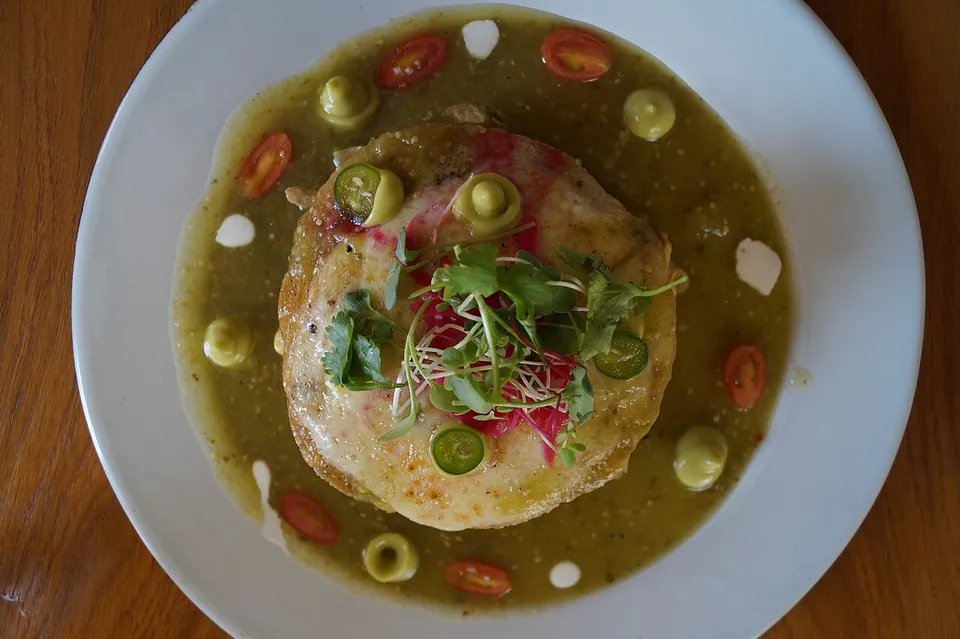
Queso relleno is a Yucatecan feast dish in which a red-waxed ball of Edam cheese (locally queso de bola) is hollowed out like a vessel, filled with pork picadillo, and steamed. It is finished with kʼool, a thick sauce of long standing among the Maya. A cheese of European birth, a Spanish-style minced-meat dish, and a Maya sauce rooted in the land all layer together in a single plate: a textbook of fusion cooking.
For this dish to come together, above all a whole Dutch Edam cheese must be standing in the Yucatecan kitchen, since it is both the vessel and the star. In the late nineteenth century, Yucatan was booming on exports of henequen, the sisal fiber used for rope and packing material. European ships called at the peninsula's ports for it, and rather than return empty, they came back laden with Dutch Edam, olives, raisins, capers, and other goods of the Mediterranean and the north. In this way Edam cheese settled into the Yucatecan market from the mid-nineteenth century onward and became an ingredient for feasts and household celebrations.
The filling draws on the pork and picadillo method the Spanish brought, on salt-cured capers, olives, and raisins from the Mediterranean, while the outside is carried by the Maya kʼool. This arrangement, layering elements of different descent, took its present form after Edam had rooted as a local ingredient, that is, in the twentieth century.
How we know
This dish comes with several colorful origin tales that have been handed down. The most famous is the story of a shipwreck off Quintana Roo from which the cheese spilled out and, buoyed by its red wax coating, floated ashore. There is also the account that in the seventeenth century a Dutch ship made a cheese stuffed with chicken and shrimp in Caribbean Curacao, and that it crossed the sea to Yucatan; and the tale, turning on social class, that a wealthy henequen plantation owner ate only the inside and left the rind, which his servants and field hands then filled and reused as the beginning of the dish.
All are appealing, yet no contemporary record supports them. The washed-ashore legend fixes neither date nor source and lacks independent documentation, a textbook origin myth. The chicken and shrimp filling of the Curacao account differs from today's queso relleno of pork picadillo with olives, raisins, capers, and kʼool sauce, and has no backing in cookbooks or early sources. Even consulting an old Yucatecan cookery manual compiled in 1898, the Antiguo Manual de Cocina Yucateca, no grounds emerge for reaching back to the seventeenth century. These claims to the antiquity of a genre are a separate matter from when the present plate was born. The plantation-owner's rind-recycling story, too, however appealing as a tale of class, does not rise above anecdote.
Following the sources and the flow of ingredients, what remains is a plainer account. Today's queso relleno took shape within the henequen export boom of the late nineteenth and early twentieth centuries (roughly 1880 to 1915), when Dutch Edam and Mediterranean foods carried as return cargo on European ships joined with the Maya kʼool sauce and Spanish-style picadillo. The romantic tales of shipwreck and reused rind fall away, but who first stuffed the cheese, and when, is still unknown. What is clear is that this plate could only have come after the arrival of Edam cheese.
The full set of origin theories and the detailed verification log — traceable all the way to their sources — are available on the Japanese edition.
See the full origin theories and verification log (Japanese) →