All dishes / サブサハラ・アフリカ
Akara Period BOrigin theory CVerified
Some fields (dish name, region and gates) are shown from the Japanese-edition data.
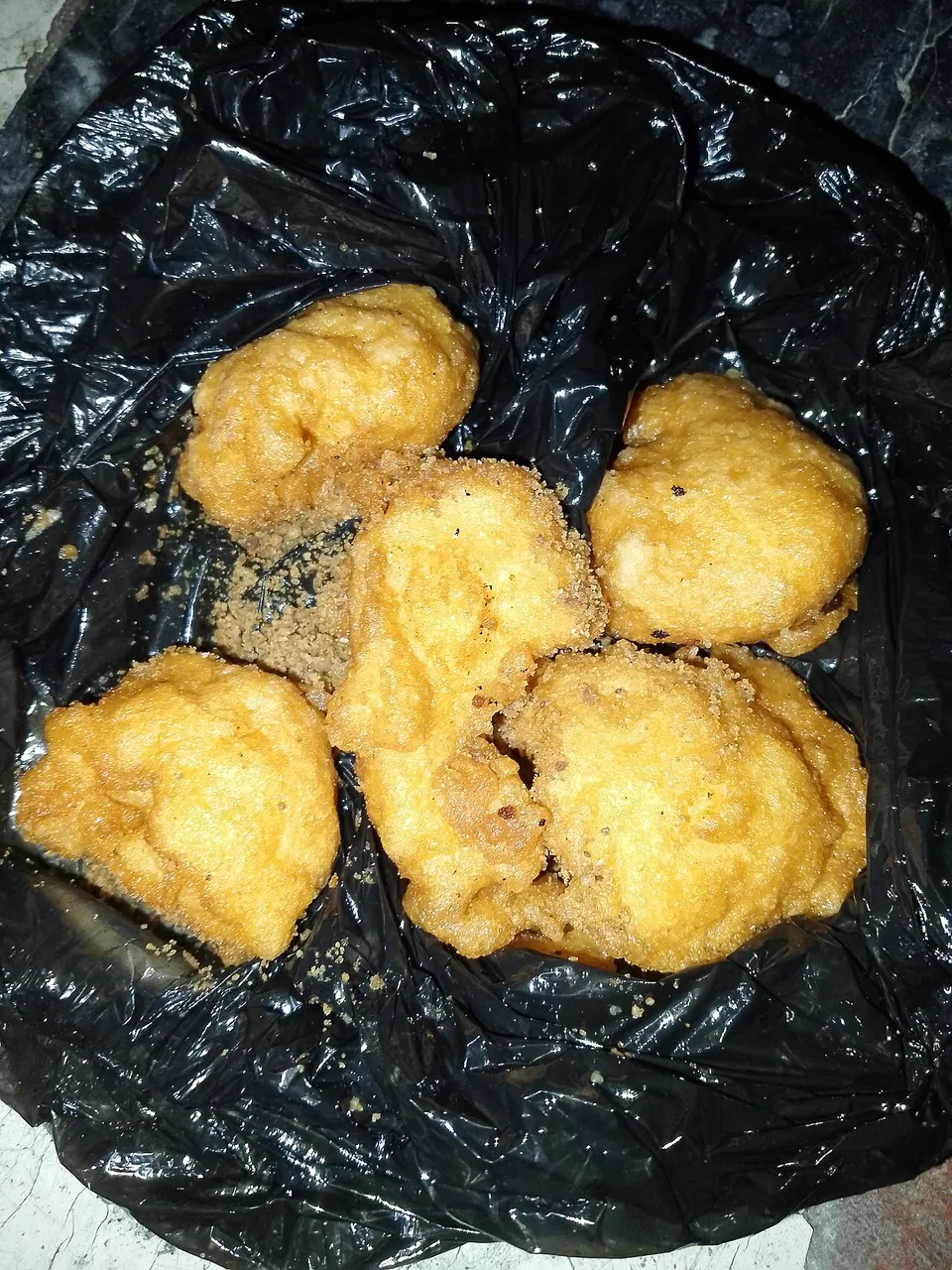
Akara, the bean fritter long rooted in the Yoruba lands of Nigeria, is sometimes said to have originated with a goddess of myth, but that is a legend faith layered on afterward; this fritter began as a much plainer food of the kitchen.
Verification highlight popular claim → verdict → evidence
The religious origin story tying akara to the orisha Iansã/Oya and Shango, including the folk etymology 'eating a ball of fire,' is a legend explaining its ritual role as an offering, not a historical origin — akara simply means 'bean cake' in Yoruba. The dish itself is an old indigenous cowpea fritter that predates the myth. Its spread to Brazil (as acarajé) via the Atlantic slave trade is well established, first documented in Vilhena's 1798-1802 account of Bahia.
The three gates
- Ingredient-supply gate
- Cowpeas (black-eyed peas) are native to Africa, so the staple ingredient is old and indigenous.
- Cooking-technique gate
- Peeled beans are ground into a paste and deep-fried.
- Venue gate
- A market and street snack of the Yoruba region.
Overview
Akara (àkàrà) is a bean fritter made by grinding peeled cowpeas (black-eyed peas), adding onion and other seasonings, and deep-frying the paste. Its main ingredient, the cowpea, is an old crop deeply rooted in West Africa, cultivated here by around 2500 BC, as genetic, textual, and archaeological study has shown (Herniter et al. 2020). It was a bean long at hand in the kitchen, from far back in time.
The setting is the Yoruba lands of southwestern Nigeria. The handwork of grinding peeled beans and frying them in oil produced akara as a snack of the market and the street. The lightly fried fritter appears on everyday tables and is at the same time offered to the orisha in Yoruba worship, holding a place in both daily life and devotion. The Yoruba word àkàrà simply means "bean fritter," a plain name that speaks to the age of the dish itself.
Later this fritter crossed the Atlantic. Carried to Bahia, Brazil, by enslaved Yoruba people, it changed there into a sister dish known as acarajé.
How we know
Akara's origin is often told through the myth of the orisha goddess Iansã (Oya) and the thunder god Xangô. The phrase àkàrà n'jẹ is read as "eating the ball of fire," tied to the tale of fire bursting from Xangô's mouth. But this is a legend that explains, after the fact, the fritter's role as an offering in Candomblé ritual; it is not the story of how the dish came to be. In Yoruba, àkàrà simply means "bean fritter" and jẹ means "eat," and the reading "ball of fire" is a later gloss that grew up alongside the myth—where a word comes from is not where the dish comes from. That the main ingredient, the cowpea, is a native crop long cultivated in West Africa also points to a fritter present in the market and the kitchen well before the myth (Lody, "Acarajé: Between Bahia and West Africa").
Of acarajé, the dish across the sea, a firmer trail survives. In the letters in which the Portuguese Luís dos Santos Vilhena recorded life in Bahia (written 1798–1802), acarajé and abará are listed among the African street foods that Black women carried on trays and sold. This is the earliest surviving written record of acarajé, and it shows the food was already established in late-18th-century Bahia. A later study of that passage (Bacelar 2013) drew out the continuity between the trade of the freed women who carried the trays (ganhadeira de acarajé) and the food's role as an offering to the orisha. That practice was registered in 2004 as Brazilian intangible cultural heritage. The mother fritter that remained in Africa and the descendant born across the sea live on side by side, still, on both shores of the Atlantic.
The full set of origin theories and the detailed verification log — traceable all the way to their sources — are available on the Japanese edition.
See the full origin theories and verification log (Japanese) →